
Company news, industry dynamics and technical insight.
Read MST company updates, product releases, industry notes and practical technical articles for MPW, semiconductor equipment design and RFQ preparation.
Browse by column
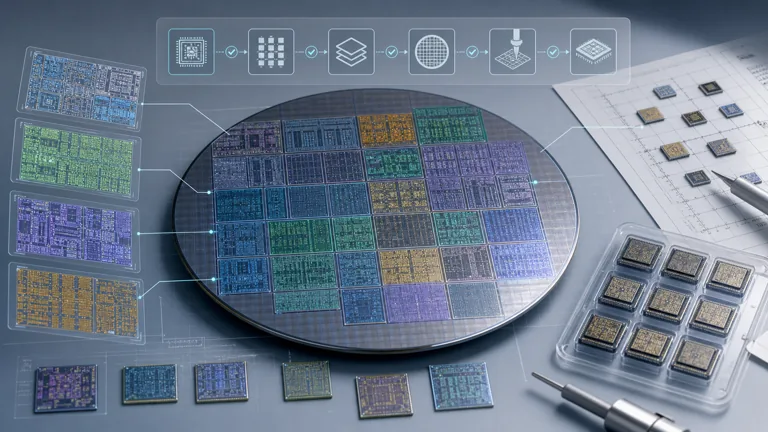
 Company News
MST development and releases
Company updates, service launches, public resources and product release notes from Moore Solution Technology.
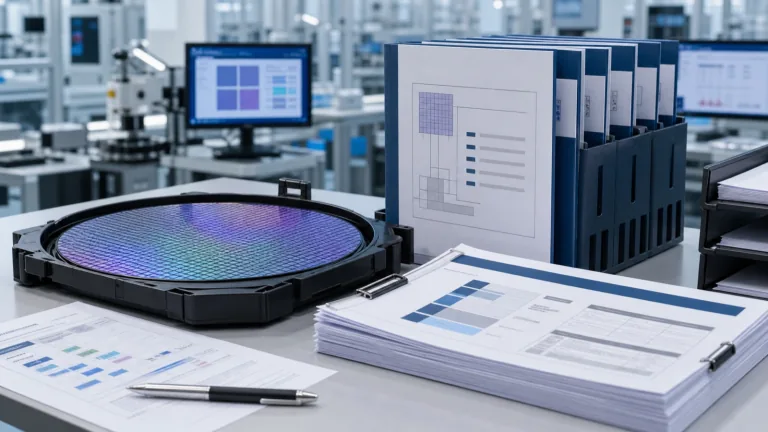
Industry Dynamics
Market and supply-chain notes
Practical notes on mature-node MPW, Asia access, equipment design trends and semiconductor supply-chain changes.
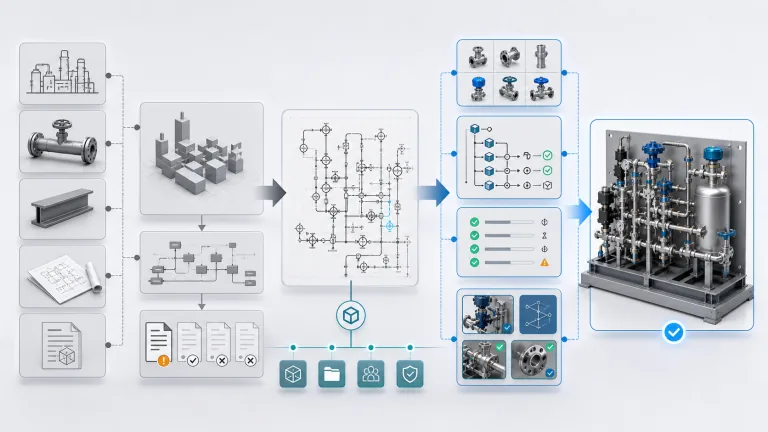
Technical Insights
Engineering guides and explainers
Focused technical articles on MPW flow, PDK/NDA/GDS, package/test, P&ID, BOM context and native SOLIDWORKS assembly.
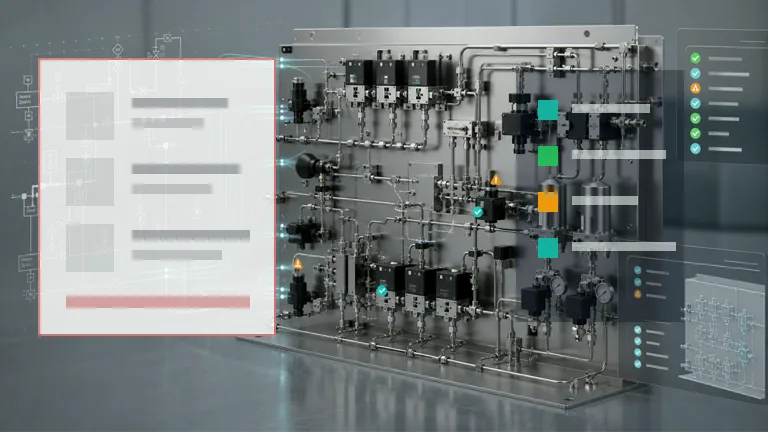
 Product Updates
Tools and service updates
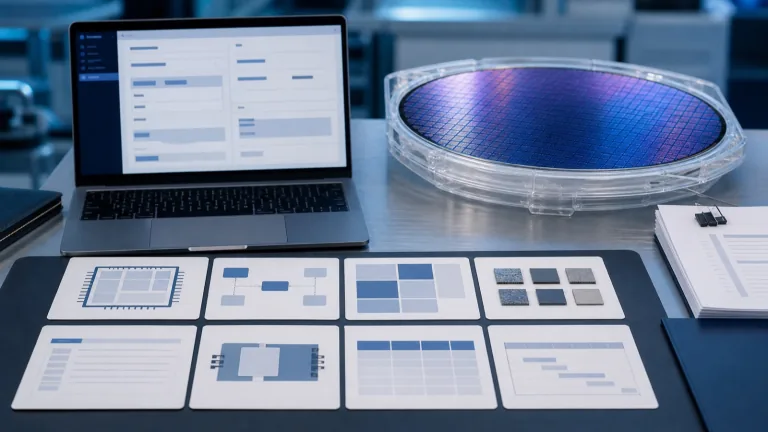
Updates for MST MPW tools, NeuroBox D review workflows and RFQ preparation resources.
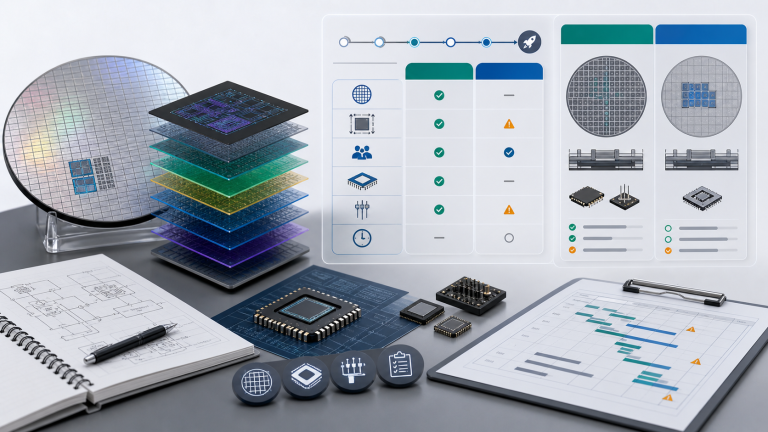
How Much Does Chip Tapeout Cost? MPW vs Full Mask Cost Drivers
Chip tapeout cost depends on node, process family, die area, MPW eligibility, package, test and schedule. Use this guide before asking for a quote.
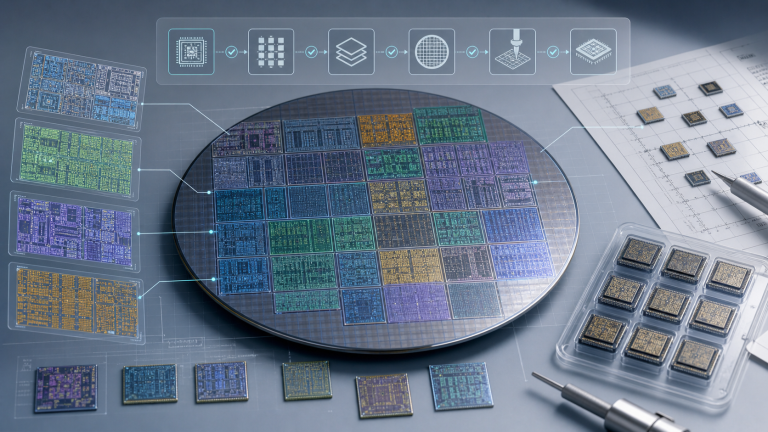
Multi-Project Wafer (MPW) Shuttle: Complete Guide for First Silicon
A complete MPW shuttle guide for first silicon: what MPW means, who uses it, what affects cost and schedule, and what to prepare before…
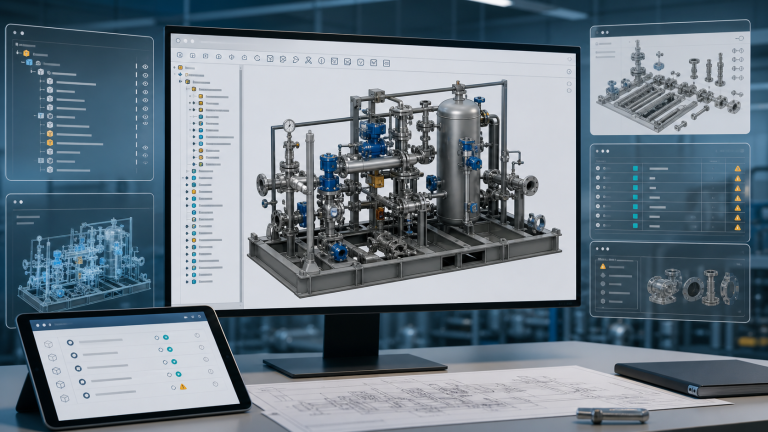
Engineering Value of P&ID to Native SOLIDWORKS Assembly Generation
Where P&ID-to-native-SOLIDWORKS automation can help engineering teams: repeated assemblies, BOM consistency, senior-review bottlenecks, customer variants and earlier exception visibility.
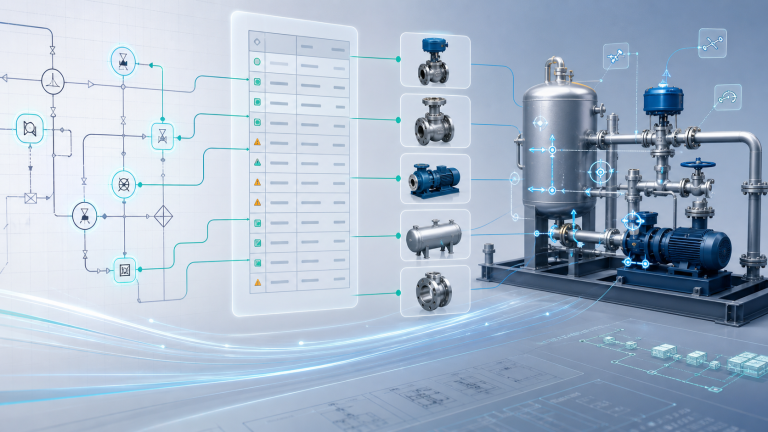
How AI Handles Symbols, BOM Context and Mates in P&ID to SOLIDWORKS
A public, non-secret explanation of how AI-assisted workflows turn P&ID symbols, tags, part libraries, BOM hints and rules into reviewable native SOLIDWORKS assembly structure.
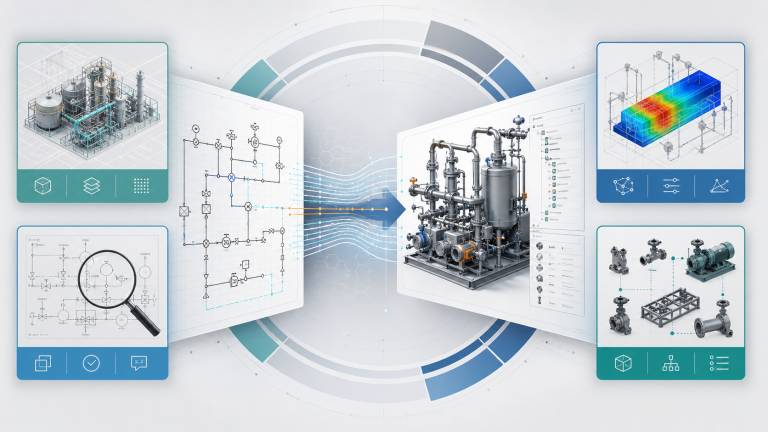
P&ID to SOLIDWORKS Automation: Market Landscape and MST Position
How MST's P&ID-to-native-SOLIDWORKS focus compares with adjacent plant-design, CAD-review and computational-design tools such as Autodesk Plant 3D, CoLab and nTop.
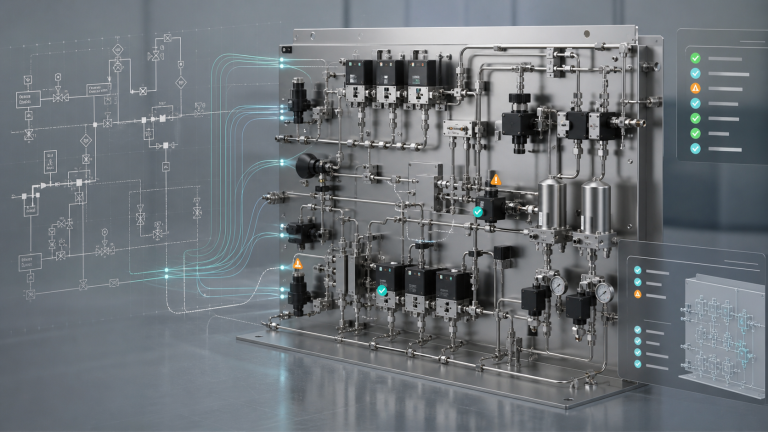
AI P&ID to SOLIDWORKS for Gas Panel Design Automation
Gas panels and gas boxes are strong candidates for P&ID-to-native-assembly automation because they combine repeated patterns, strict rules, BOM pressure and frequent variants.
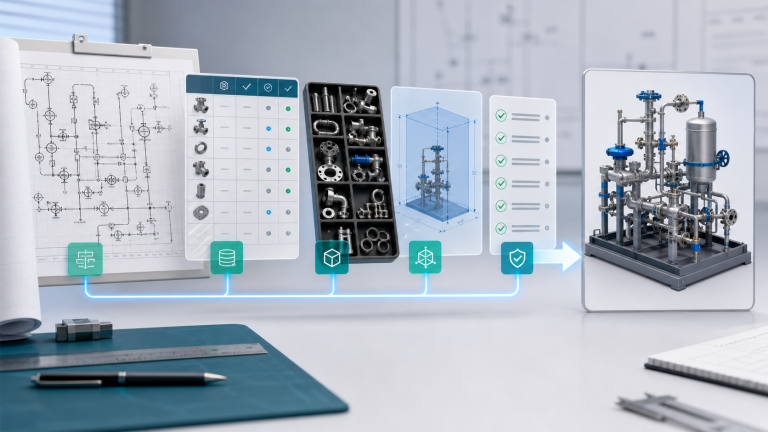
What Inputs Are Needed for P&ID to SOLIDWORKS Assembly Generation?
A practical checklist for starting a P&ID-to-native-SOLIDWORKS review: diagram quality, part library, BOM fields, spatial envelope, rulepack and output expectations.
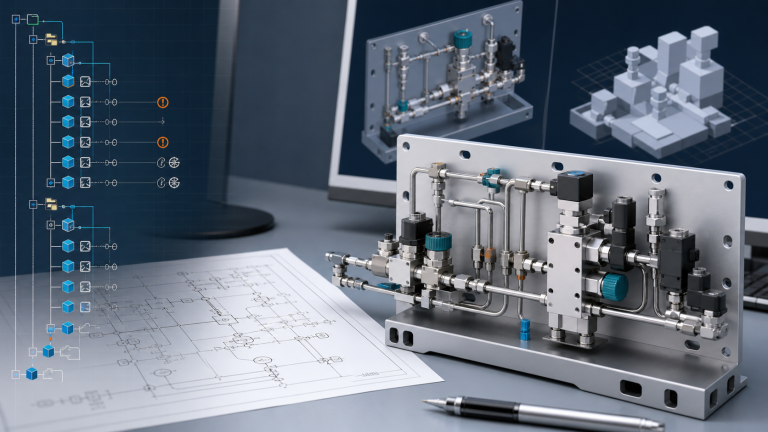
P&ID to SOLIDWORKS Assembly: Feature Tree vs STEP Export
Why native SOLIDWORKS assemblies with feature tree, mates, BOM context and reusable parts are more useful than neutral geometry export for P&ID-driven equipment design.
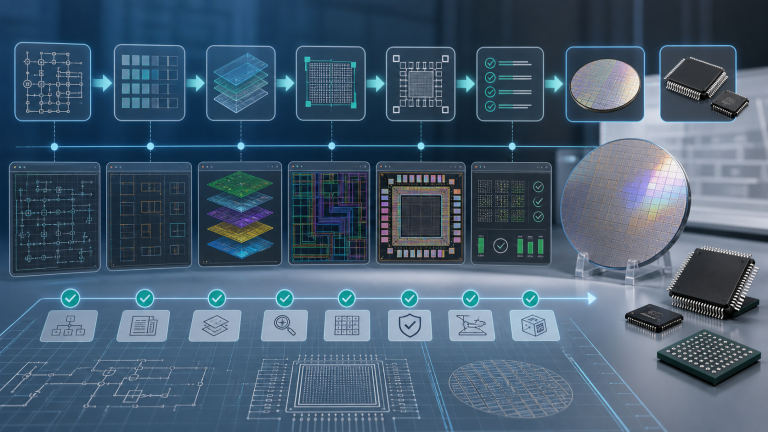
What Information Is Needed for an MPW RFQ?
A good MPW RFQ is not a data dump. It is a clear, non-confidential summary that lets the coordination team screen process fit, readiness,…
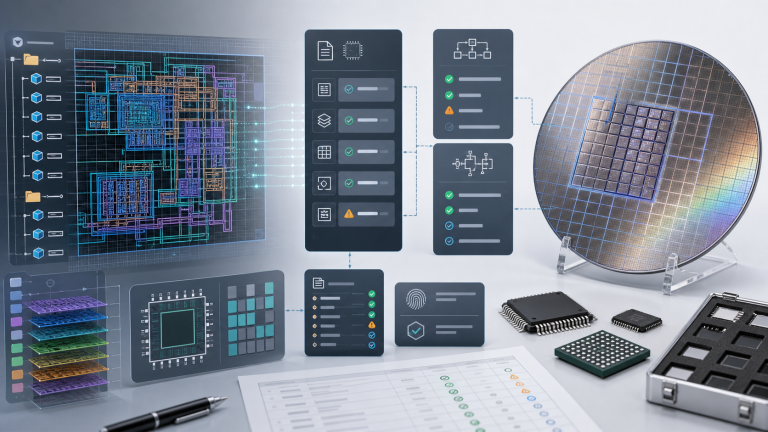
Can You Start an MPW RFQ Without GDS?
A first MPW RFQ should protect design IP. Start with non-confidential requirements, then move to NDA, PDK and partner-confirmed review before any design detail…
Related tools
MPW RFQ Pack Builder
Turn node, process family, die area, package/test assumptions, timeline and end-use context into a non-confidential first-screen brief.
P&IDP&ID Assembly Intake Checklist
Collect diagram quality, tag index, BOM, part library and rule context before asking whether a native SOLIDWORKS assembly pilot is realistic.
SourcingBOM RFQ Normalizer
Normalize messy BOM rows and expose missing manufacturer, quantity, drawing or description fields before supplier outreach.
Tell us what you need to manufacture, design or source.
Send a short brief for MPW tapeout and manufacturing coordination, a NeuroBox D P&ID-to-native-SOLIDWORKS review, or an engineering procurement RFQ.