
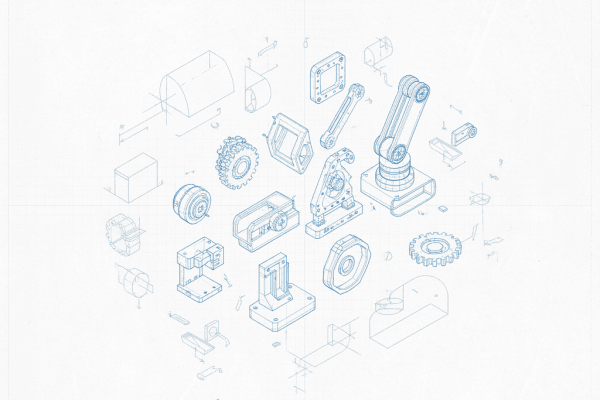
Generative Assembly Design: How AI Generates 3D Assemblies That Follow Your Engineering Standards
Key Takeaway Generative assembly design uses constraint satisfaction, learned spatial patterns, and optimization algorithms to automatically create 3D mechanical assemblies…
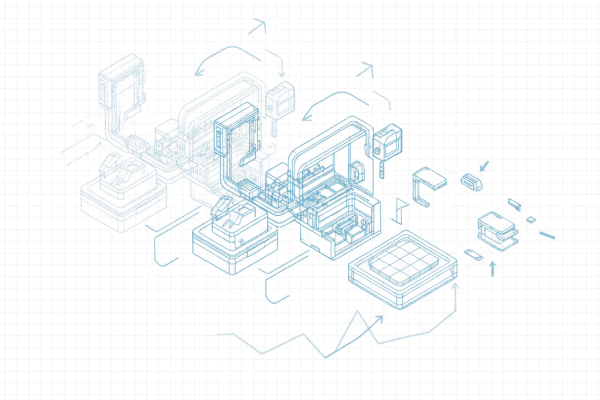
The True Cost of Design Rework in Semiconductor Equipment: A Financial Analysis
Key Takeaway Design rework consumes 23-31% of total engineering budgets at semiconductor equipment companies, costing the average mid-sized OEM $2.8-4.6M…
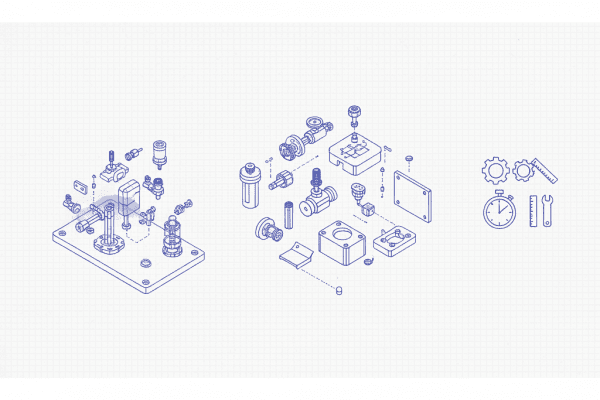
How Many SolidWorks Hours Does Your Gas Panel Really Need? Industry Benchmarks
Key Takeaway A typical semiconductor gas panel requires 320-480 SolidWorks person-hours for mechanical design, with routing and interference resolution consuming…
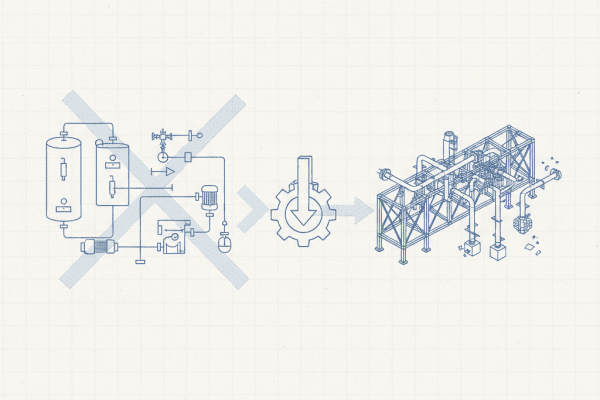
Manual P&ID Review Is Killing Engineering Productivity — Here Are the Numbers
Key Takeaway Manual P&ID review in semiconductor equipment companies consumes an average of 142 engineer-hours per project and still misses…

Why Your Best Equipment Designer Leaving Could Cost You $2M in Delayed Projects
Key Takeaway When a senior equipment designer leaves, the true cost extends far beyond recruitment fees. Industry data shows the…
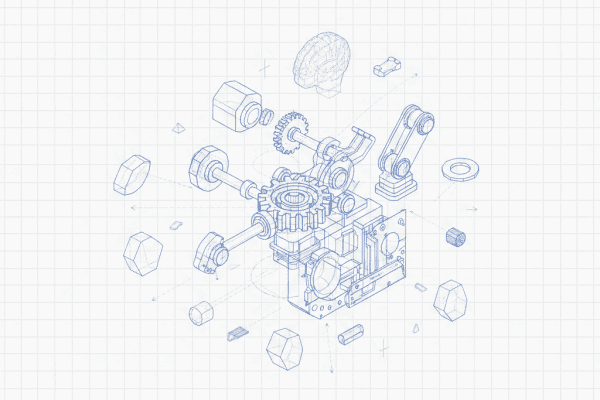
Why Generating Native SolidWorks Assemblies with AI Is the Hardest Problem in Design Automation — And We Solved It
Key Takeaway NeuroBox D is the only AI system that generates native SolidWorks assembly files (.sldasm) with full mate constraints…
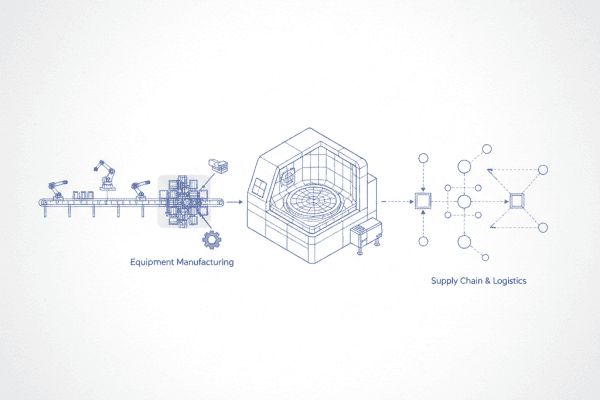
The Hidden Bottleneck in Semiconductor Equipment Manufacturing: Why Design Takes Longer Than Assembly
Key Takeaway In semiconductor equipment manufacturing, design — not fabrication — is the primary schedule bottleneck. Industry data shows that…
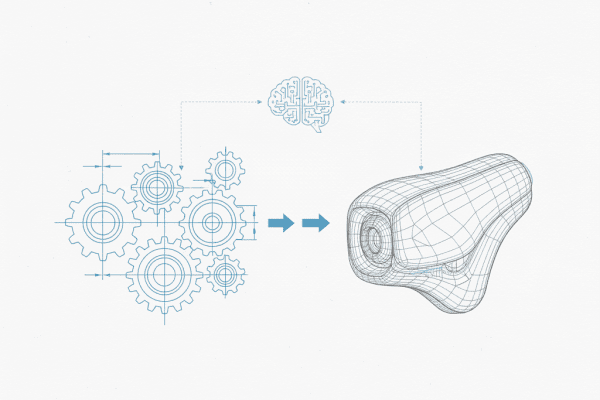
The Future of Mechanical Design: Why AI Will Replace Manual 3D Modeling by 2028
Key Takeaway By 2028, AI-generated 3D models will account for over 60% of mechanical design output in the capital equipment…
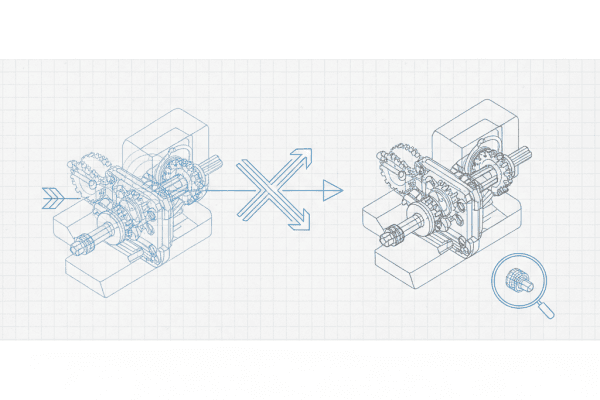
How DrawingDiff Catches Design Errors That Engineers Miss
Key Takeaway DrawingDiff uses three AI-powered comparison engines — 3D model differencing, 2D drawing overlay analysis, and P&ID cross-validation —…
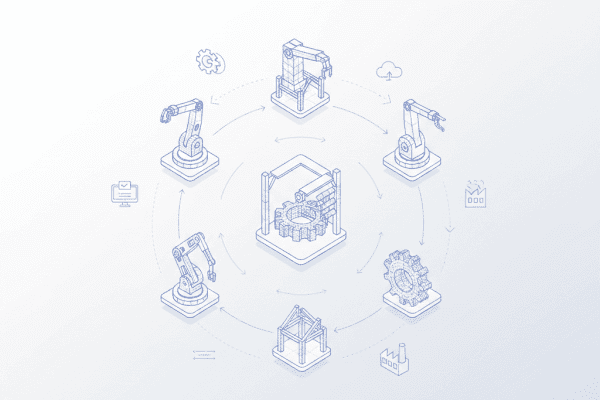
5 Steps to Deploy AI Design Automation in Your Equipment Company
Key Takeaway Deploying AI design automation in a semiconductor equipment company follows a proven 5-step methodology: audit your design workflow,…
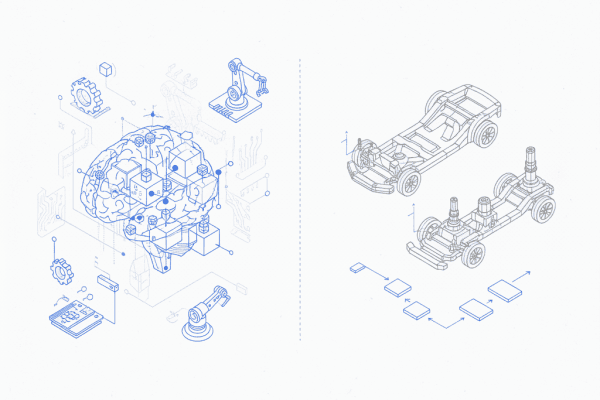
NeuroBox D vs Traditional CAD Automation: A Head-to-Head Comparison
Key Takeaway Traditional CAD automation tools — macros, design tables, parametric templates, and DriveWorks-style configurators — have served the equipment…

Building a Design Knowledge Base with AI: Why Equipment Companies Need NeuroBox D
Key Takeaway The average semiconductor equipment company loses 15-25% of its institutional design knowledge every 5 years through employee turnover…