
MPW Prototype Estimator: Die Count, Cost Drivers and RFQ Readiness
The MPW Prototype Estimator gives early teams a rough die-count and cost-driver view before they request partner-confirmed pricing.
- →Answer-first summary
- →What the estimator can answer
- →Inputs that improve the estimate
- →Sample estimator interpretation
- →Common estimation traps
Answer-first summary
An MPW prototype estimator helps teams understand early die-count and cost-driver questions before partner-confirmed RFQ review. It can estimate gross dies from wafer and die assumptions, highlight yield sensitivity and show why package, probe, test and schedule often matter as much as wafer area. The output is a planning input, not a formal quote or slot booking.
MST’s MPW Prototype Estimator is useful when a team needs to frame a mature-node MPW request before it has final GDS, final package selection or complete test scope.
What the estimator can answer
Approximate die count
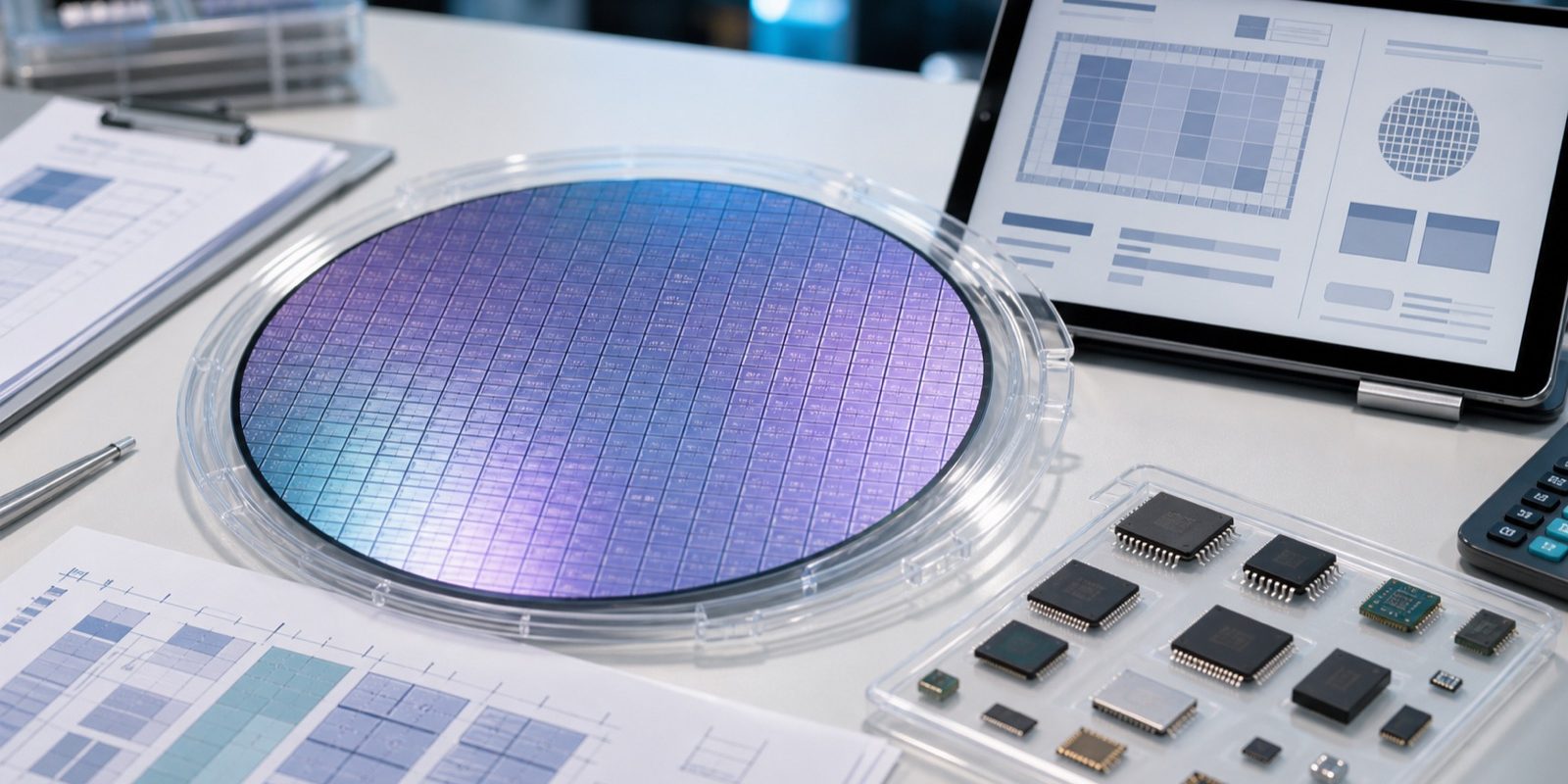
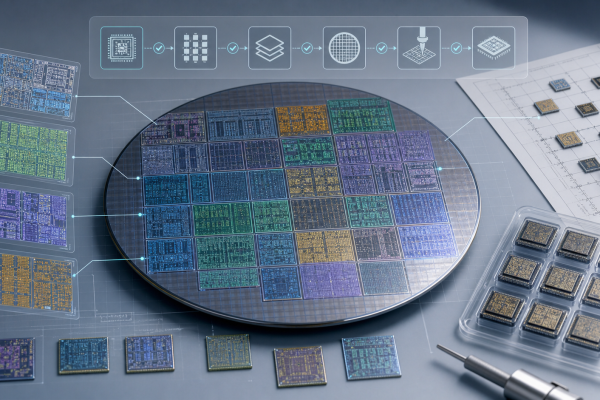
Die count starts with wafer diameter, die size, edge loss, scribe assumptions and reticle or shuttle constraints. Early estimates should be treated as directional because final die count depends on process rules, layout boundary, scribe lanes, reticle placement and yield assumptions.
Cost drivers
Early MPW cost questions are shaped by node, process family, special options, die area, shared-mask allocation, wafer count, package family, wafer probe, final test, logistics and readiness. A low wafer-area share can still lead to a poor project estimate if package and test requirements are undefined.
RFQ readiness
The estimator can expose missing fields. If die area is unknown, package is unclear, sample count is unrealistic, or test scope is missing, the team should not expect a clean partner review. The next step is usually a readiness report or no-GDS RFQ pack.
Inputs that improve the estimate
- Target wafer diameter, if known
- Approximate die width and height
- Process family and node range
- Expected sample quantity
- Assumed package family
- Whether wafer probe is required
- Yield sensitivity or target number of good packaged units
- Timeline target and whether the design is layout-ready
Sample estimator interpretation
Example input
- Process range: 180nm mixed-signal mature-node
- Die estimate: 4 mm x 4 mm
- Samples needed: 50 packaged units
- Package: QFN, still tentative
- Design status: schematic complete, layout not signed off
Example interpretation
| Finding | Meaning for RFQ |
|---|---|
| Die area is only preliminary | Partner review can start at planning level, but cost and die-count discussion will remain indicative. |
| Packaged sample target is clear | Package and final-test assumptions should be included in the first RFQ pack. |
| Layout is not signed off | The request is better suited for readiness screening than immediate shuttle submission. |
| Probe scope is missing | Wafer-probe expectations should be clarified before partner quote review. |
Common estimation traps
Only asking for wafer price
Prototype silicon cost often includes more than wafer access. Packaging, wafer probe, final test, fixtures, logistics and engineering coordination can drive schedule and budget.
Ignoring yield sensitivity
Gross dies and usable devices are not the same. Early planning should separate gross die count, expected good dies, packaged samples and testable units.
Assuming node name is enough
A request for “180nm” does not identify whether the project needs analog devices, high-voltage devices, RF options, eNVM, special metal, thick oxide or a specific package/test path.
How MST uses estimator output
MST uses estimator output to frame cost-driver questions and decide what must be clarified before partner review. Start with the MPW Prototype Estimator, then move to the MPW RFQ Pack Builder or MPW RFQ intake when the assumptions are ready.
Related Articles

Ready to scope your run?
Send node, process family, die area, volume and timeline - no design IP. We screen it, route to a qualified partner, and return an indicative quote.