- →The buyer decision this page supports
- →Inputs for a bounded pilot
- →Review layers
- →Pilot measurement plan
- →Engineering and release boundary
Short answer: DrawingDiff is an engineering-review workflow for organizing differences between drawing or model revisions and linking each finding to evidence that a qualified reviewer can inspect. It should be evaluated on the customer’s drawing types, revision rules and acceptance set. MST does not publish a universal accuracy, review-time or defect-detection result because those outcomes depend on the data and review definition.
The buyer decision this page supports
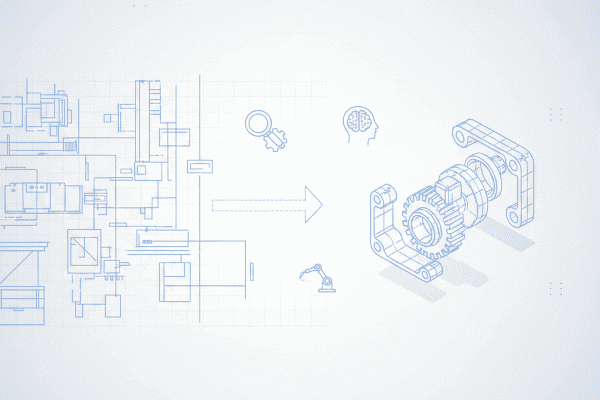
This page helps engineering teams decide whether a bounded comparison pilot can make revision review more traceable. The useful question is not whether software can highlight pixels. It is whether the workflow can distinguish meaningful engineering changes from rendering noise, preserve context and present exceptions in a form that fits the team’s approval process.
Inputs for a bounded pilot
- A non-confidential set of before-and-after drawings or models with known revision identities.
- The file formats, CAD versions, sheet/view conventions and comparison scope.
- A reviewer-authored reference set describing expected changes, irrelevant visual differences and critical omissions.
- Required evidence for each finding, such as location, object identity, property change, annotation or source revision.
- The customer’s disposition categories and release authority.
Do not upload customer-confidential drawing sets, unreleased designs or export-controlled data through public intake. Use a controlled exchange after scope and confidentiality requirements are agreed.
Review layers
- Document identity: verify the compared revision, sheet, view and model context before interpreting differences.
- Visual change: locate geometry, annotation or rendering differences without treating every visual delta as an engineering defect.
- Object and property context: associate a finding with available tags, components, dimensions, properties or BOM information.
- Reviewer disposition: let a qualified engineer accept, reject, classify or request more evidence for each finding.
Pilot measurement plan
A pilot should define its evaluation method before results are calculated. Useful measures may include reviewer-confirmed findings, missed reference changes, irrelevant alerts, time spent by reviewers and evidence completeness. The sample, ground truth, scoring rule and review date must be recorded so the result is not presented as a universal product metric.
Engineering and release boundary
DrawingDiff findings are review evidence, not automatic defect proof. Qualified engineering review remains mandatory: engineers are responsible for interpreting design intent, resolving conflicts, applying customer standards and approving the released drawing or model.
What to prepare before contacting MST
Start with a non-confidential comparison scenario, file types, revision-control process, expected change categories and a small reviewer-owned reference set. MST will scope a bounded pilot; timing, output and acceptance criteria are agreed case by case.
Request a DrawingDiff pilot review or read the P&ID-to-native-SOLIDWORKS workflow boundary.
Review P&ID-to-native-SOLIDWORKS assembly scope
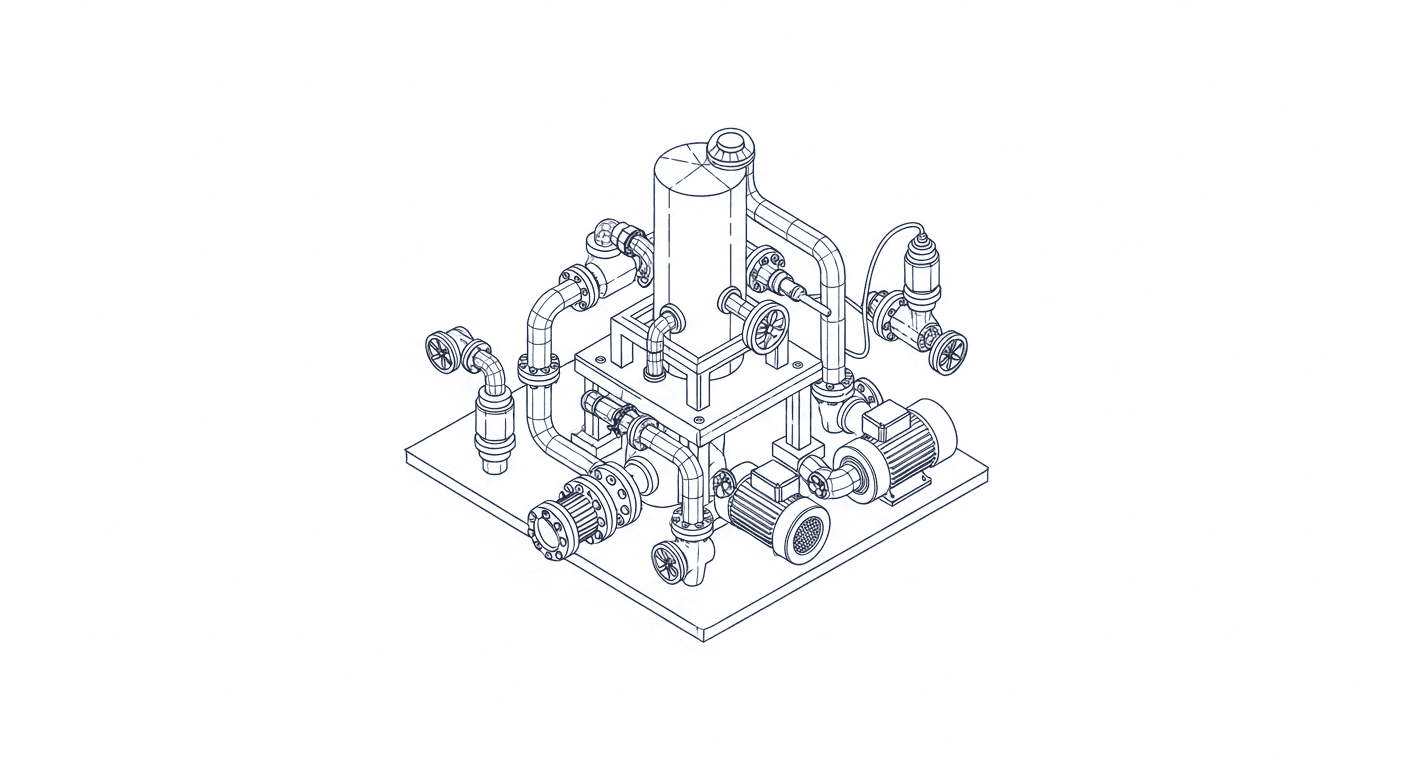
Check whether your P&ID, BOM, part library, interface rules and spatial constraints are ready for a reviewable native assembly workflow.
Open NeuroBox D page →