I have a chip design. How do I get working first silicon?
Start by defining process fit, design readiness, the controlled PDK and data path, prototype quantity, package and test scope, then select a partner-confirmed run.

تعمل MST Singapore كوكيل غير حصري لـ HHGrace لاستفسارات سعة MPW واستقبال العملاء وتنسيق المشاريع الدولية. نحوّل موجزاً غير سري للعقدة والعملية والشريحة والتغليف/الاختبار والموعد إلى طلب مراجعة لدى جهة التصنيع. تؤكد السعة والفتحة والجدول وPDK والسعر والقبول لكل مشروع.
This is the public schedule-screening entry for 2026 HHGrace mature-node MPW RFQs through MST Singapore. It is intentionally not a public price list or guaranteed shuttle calendar: exact run window, registration deadline, GDS/data-in deadline, PDK/NDA path, availability and quotation are confirmed case by case after requirement review.
Use this table the same way a buyer would use a public MPW schedule page: identify the likely platform, then submit a non-confidential first brief so MST can check the current schedule window and quote path.
| Node | Platform | Fit | 2026 status | What to send first | الخطوة التالية |
|---|---|---|---|---|---|
| 90nm | Low-power BCD | BCD and power-management prototype requirements where voltage class, die area, package/test and samples need review. | 2026 RFQ screening open | Node target, voltage class, die estimate, sample count, package/test assumptions and target quarter. | ابدأ فحص الملاءمة → |
| 90nm | Embedded eFlash | Embedded non-volatile memory and mixed-signal prototype RFQs that can start from a non-confidential brief. | 2026 RFQ screening open | Memory/process need, die estimate, package/test assumptions, PDK/NDA status and target quarter. | ابدأ فحص الملاءمة → |
| 55nm | SiGe BiCMOS | RF, high-speed and mixed-signal prototype screening where process fit and package/test scope must be checked first. | 2026 RFQ screening open | RF/high-speed requirement, rough die size, frequency/use context, package/test assumptions and schedule target. | ابدأ فحص الملاءمة → |
| 55nm | Low-power BCD | Low-power BCD and power-management inquiries that need node, voltage, die-area, schedule and end-use review. | 2026 RFQ screening open | Voltage class, application context, die estimate, target samples and package/test assumptions. | ابدأ فحص الملاءمة → |
| 55nm | Logic / eFlash | Logic or embedded-Flash prototype needs where MST can prepare a reviewable RFQ before design-IP exchange. | 2026 RFQ screening open | Logic/eFlash need, die estimate, package/test assumptions, PDK/NDA status and preferred tapeout window. | ابدأ فحص الملاءمة → |
| 40nm | Logic / eFlash | 40nm logic, low-power or embedded-Flash prototype routes. Partner acceptance and schedule fit are required. | 2026 RFQ screening open | Node/process need, die estimate, package/test assumptions, target quarter, country and end-use context. | ابدأ فحص الملاءمة → |
يستخدم الفحص الأول معلومات غير سرية فقط لإعداد طلب قابل للمراجعة؛ ولا يحجز سعة أو يضمن فتحة أو يحل محل تأكيد جهة التصنيع.
العقدة أو العملية المستهدفة، مساحة الشريحة التقريبية، العينات، افتراضات التغليف والاختبار، الربع المستهدف، البلد والاستخدام النهائي. لا ترسل GDS أو ملكية تصميم محمية.
تراجع MST ملاءمة العملية والمدخلات الناقصة ومسار NDA/PDK ونطاق التغليف واختبار الرقاقة والاختبار النهائي ومدى جاهزية الطلب لمراجعة الشريك.
يبقى المسار والأهلية والسعة والفتحة والموعد النهائي والوصول إلى PDK والسعر وقبول الطلب خاضعاً لتأكيد جهة التصنيع لكل حالة.
معظم زوار MPW في المرحلة المبكرة ليسوا جاهزين لإرسال حزمة tapeout كاملة. توفر MST أربعة مسارات أقل مخاطرة: مقارنة مسارات الوصول، فحص الجاهزية، إنشاء brief بدون GDS، أو إرسال RFQ غير سري للمراجعة اليدوية.
استخدم خريطة الوصول عندما لا يكون السؤال الأول جاهزية التصميم، بل أي مسار أو منطقة أو بوابة أهلية أو مسار NDA/PDK أو مسؤول مراجعة يمكنه التعامل مع الطلب.
فتح خريطة الوصول →استخدم أداة فحص الجاهزية عندما تعرف التطبيق المستهدف، العقدة أو عائلة العملية التقريبية، حجم die، عدد العينات، افتراضات package/test أو ضغط الجدول.
فتح فاحص الجاهزية →استخدم RFQ pack builder لتحويل العقدة، عائلة العملية، مساحة die، هدف العينات، افتراضات package/test، الجدول وسياق الاستخدام إلى موجز أولي غير سري.
بناء موجز RFQ → تنزيل القالب ↓أرسل الموجز غير السري عندما تريد من MST فحص ملاءمة العملية، نطاق package/test، مسار NDA/PDK، سياق الأهلية وجاهزية مراجعة الشريك.
ابدأ استفسار MPW غير سري →أرسل نطاق العقدة، عائلة العملية، مساحة die التقريبية، هدف العينات، افتراضات package/test، الجدول الزمني وسياق الاستخدام النهائي. تفحص MST الجاهزية قبل انتقال بيانات التصميم الحساسة.
نافذة عملية إرشادية. العقدة والعملية النهائية تؤكد حالة بحالة مع شريك مؤهل.
خطط للرتيكل وقدّر عدد الشرائح والتكلفة وافحص بنية GDS وأعد ملخص طلب العرض. عند تشغيل الأداة وحفظها، ترسل المدخلات والملفات الأصلية المختارة والنتائج إلى MST لحفظها بشكل خاص ومراجعتها من الموظفين. يظل نموذج طلب عرض MPW مخصصًا للملخصات غير السرية فقط.
عرض كل الأدوات →أجب عن أسئلة عالية المستوى حول العملية ونطاق النموذج وحدود الامتثال، ثم افتح نموذج MPW RFQ بإجابات غير سرية مملوءة مسبقا.
فتح فحص الجاهزية →Pack several projects into one shared reticle, step it across the wafer, estimate gross/good dies and each project area-based cost share.
Open planner →Estimate gross dies per wafer, shared-reticle utilization, indicative mature-node cost range, shuttle timing and tapeout readiness.
Open estimator →افحص الخلايا العليا وأبعاد الشريحة والطبقات والتسلسل الهرمي في المتصفح. يؤدي الضغط على الرفع والفحص إلى إرسال ملف GDS الأصلي وملخص الفحص إلى MST لحفظهما بشكل خاص وإتاحتهما للموظفين المصرح لهم. يحمل رابط طلب العرض ملخصًا عامًا فقط.
Open GDS inspector →مقارنة محايدة ومسنودة بالمصادر لمسارات MPW مثل MOSIS وEuropractice وMuse وIMEC وغيرها، مع التركيز على السؤال العملي: أي مسار يمكن لفريق خارج الولايات المتحدة أو الاتحاد الأوروبي استخدامه فعلا.
فتح خريطة الوصول →These are illustrative, non-confidential examples. They show the level of scope MST needs for first screening and what remains for NDA-controlled review.
Customer provides: Customer provides target node range, analog/mixed-signal function, rough die area, sample count, package preference, measurement goal and end-use context.
MST returns: MST returns missing questions, possible process-family fit, package/probe/test checklist, NDA/PDK route notes and partner-review readiness.
Later controlled path: GDS, schematics, netlist, PDK files and detailed circuit implementation stay out of the public intake and move only after the controlled path is clear.
Customer provides: Customer provides voltage class, device-option assumptions, pad/package direction, die-size range, safety or industrial-control use case, target samples and timeline.
MST returns: MST flags process-fit uncertainty, required partner questions, packaging and reliability assumptions, compliance context and quote-readiness gaps.
Later controlled path: Exact device stack, proprietary circuit detail, layout files and partner-specific design rules wait for NDA/PDK and qualified technical review.
Customer provides: Customer provides RF band or memory need at a non-confidential level, acceptable node range, rough die area, package/test assumptions and schedule pressure.
MST returns: MST separates public planning questions from NDA-gated questions and prepares a partner-review packet focused on feasibility, access path and missing assumptions.
Later controlled path: Model files, IP blocks, proprietary layout, performance-sensitive schematics and process-specific data belong in the later controlled exchange.
You may call it prototype tapeout, a shuttle run, a small engineering batch, packaged samples or simply “how do I get this chip made?” Choose the problem closest to yours; each route ends in an evidence checklist and a human-reviewed next step.
Start by defining process fit, design readiness, the controlled PDK and data path, prototype quantity, package and test scope, then select a partner-confirmed run.
A non-confidential readiness review can identify missing architecture, implementation, verification, signoff and commercial inputs before any protected design files move.
Yes. A first review can use node, process, die-area, sample, package, test and timing assumptions; price, slot and data acceptance still require formal confirmation.
Compare direct foundry access, an MPW service provider and a university or design-service route against your process, location, eligibility and support needs. Ask who holds the foundry relationship, arranges NDA/PDK access and owns the quotation and delivery scope. MST Singapore can prepare your non-confidential brief, identify missing inputs and coordinate the proposed partner-review path. Send the application, process target, approximate die area, sample need and timing first. Access and acceptance still require confirmation; a coordination service does not automatically include chip design or signoff.
Choose by voltage, embedded-memory, analog and RF needs, qualified IP, IO, die area, package, test and accessible ecosystem—not nominal node alone.
Map voltage devices, non-volatile memory, digital density, analog precision, IO and reliability needs first; a partner must then confirm the available process options.
Begin with a non-confidential requirement brief and entity and end-use context. NDA, PDK eligibility, technical fit and access are confirmed through the controlled partner path.
Country, customer type, end use, process family, schedule and data controls determine the realistic route; MST Singapore can structure the first review without public IP exchange.
Compare process fit, registration and data-in gates, minimum area, deliverables and readiness, then request the latest partner-confirmed window instead of relying on a static calendar.
The fastest route starts with a complete brief and a design close to the relevant signoff gate. Priority triage can reduce avoidable waiting, but no elapsed time is guaranteed.
Define whether you need wafers, loose die or packaged and tested units, then coordinate wafer run, probe, dicing, assembly, final test and logistics as separate confirmed scopes.
Recheck nearby nodes and process options, another operator or run, design readiness and whether an engineering or dedicated route better fits the business deadline.
There is no single MPW price: compare quotations for the same process option, area allocation and delivered sample scope. Ask whether each quote includes fabrication, masks where applicable, wafer probe, dicing, packaging, test development and final test, logistics and any taxes, and which items are separate. MST can prepare an initial quotation review from non-confidential process, die-area, sample-count, package/test and timing assumptions before final GDS. State whether you need bare dies, packaged parts or tested samples. An estimator is a planning aid; the formal quotation confirms price, inclusions, exclusions, validity and availability.
Die area can affect shared-wafer allocation while deliverable quantity, yield assumptions, package choice, probe and final-test coverage change downstream scope and cost.
Foundry-specific signoff, final data acceptance, run registration, mask and wafer execution, probe, dicing, packaging, final test, logistics and bring-up can still remain.
Include country and end use, target node or range, process family, die estimate, samples, package and test assumptions, timing and NDA or PDK status—without design IP.
The foundry, probe house, OSAT, test house, logistics provider and customer may own different steps. The quotation must name the deliverable and each confirmed owner.
Start with the intended evidence and sample form. Test coverage, fixtures, ATE programs, characterization and reliability plans are separate scopes that need named ownership.
Define bring-up evidence, failure isolation, change scope, reusable masks or layers if applicable, verification closure and the decision gate between another MPW and a dedicated run.
Choose a foundry or MPW service route that can confirm both prototype access and a later production option for your specific process. MST Singapore can prepare a non-confidential brief and coordinate partner review: include expected annual volume, product lifetime, qualification needs, package/test scope and target timing from the start. Use first-silicon measurements to decide on another prototype or an engineering lot, then agree the qualification, test and production plan with named owners. A successful MPW run does not establish a production supply agreement. Eligibility, capacity, quotation and any long-term supply commitment require separate written confirmation from the responsible partners.
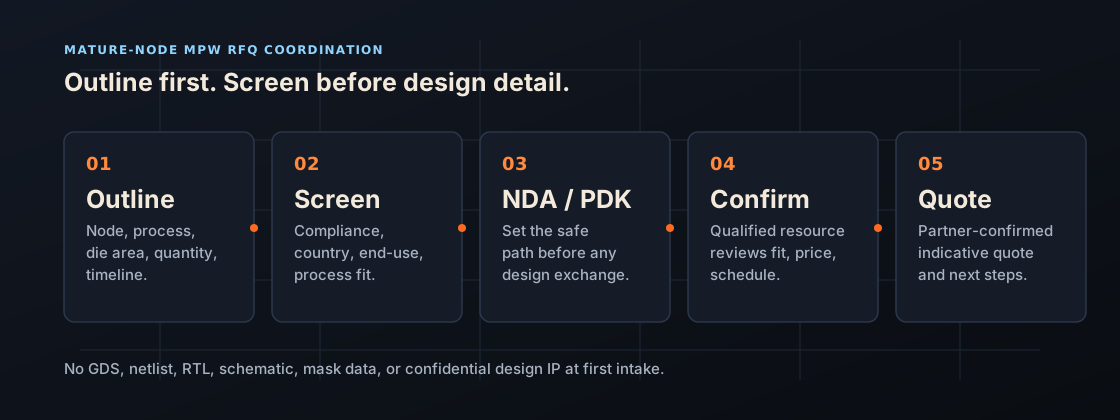
Public first contact is non-confidential. Do not send GDS, OASIS, RTL, netlists, schematics, PDK files or proprietary IP until the controlled NDA/data path is confirmed.
الأسئلة التي تسألها فرق الهندسة وprocurement قبل إرسال brief.
ابدأ بموجز غير سري يوضح ملاءمة العقدة/العملية والجدول المستهدف والتحقق من السيليكون الأول والتغليف/الاختبار ومناولة العينات أو احتياجات إعادة الـ tapeout. توجّه MST الطلب للمراجعة؛ وتُؤكد الجدوى والتوفر والتوقيت وعرض السعر لكل حالة على حدة.