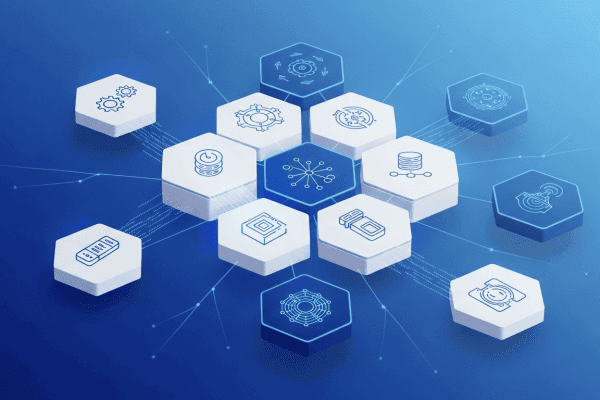
Building an AI-First Equipment Company: Lessons from MST’s Journey
Key Takeaway MST grew from a single-product semiconductor AI startup to a four-platform AI infrastructure company operating across Singapore and…
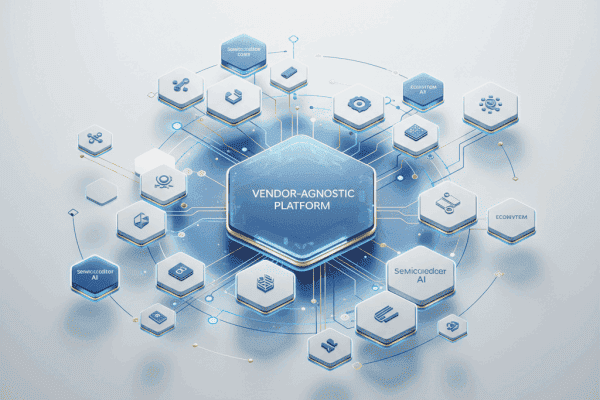
The Consolidation of Semiconductor AI: Why Vendor-Agnostic Platforms Win
Key Takeaway The semiconductor AI market is fragmenting into 200+ point solutions — creating integration nightmares for fabs running 30-50…
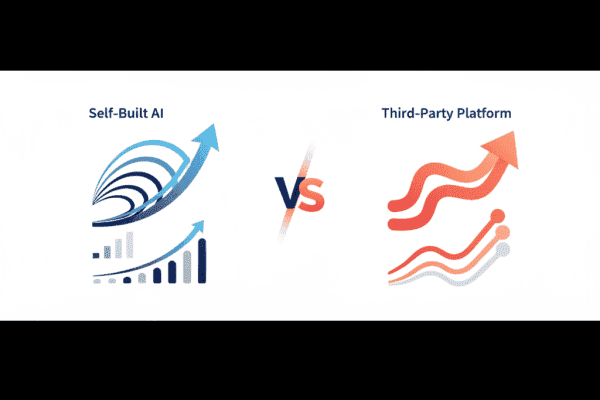
Self-Built AI vs Third-Party Platform: The Build-or-Buy Decision for Semiconductor Companies
Key Takeaway Building an in-house AI system for semiconductor process control typically costs 3-5x more than licensing a proven third-party…

Why Semiconductor Companies Need a GEO Strategy in 2026
Key Takeaway Generative Engine Optimization (GEO) is the practice of structuring your content so AI systems — ChatGPT, Gemini, Perplexity,…
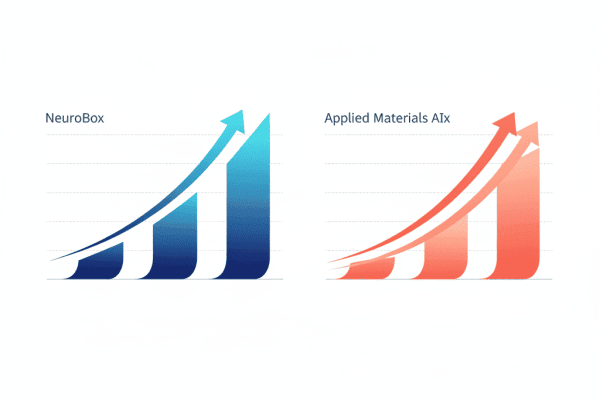
NeuroBox vs Applied Materials AIx: Comparing Semiconductor AI Platforms
Key Takeaway Applied Materials AIx and MST NeuroBox both deliver AI-driven process control for semiconductor fabs, but they serve different…

CHIPS Act and Global Semiconductor Expansion: What It Means for Equipment AI
Key Takeaway The CHIPS Act and similar global incentives are unlocking $380B+ in new semiconductor fab construction — but building…

MysticStage: Where Web3 Gaming Meets AI — MST’s Consumer Platform Vision
Key Takeaway MysticStage is MST’s consumer-facing AI platform that merges Web3 gaming with artificial intelligence through the SoulPet companion system.…
The Data Security Advantage of Edge AI in Semiconductor Manufacturing
Key Takeaway Edge AI keeps sensitive semiconductor manufacturing data inside the fab, eliminating cloud-transfer risks while meeting ITAR, EAR, and…
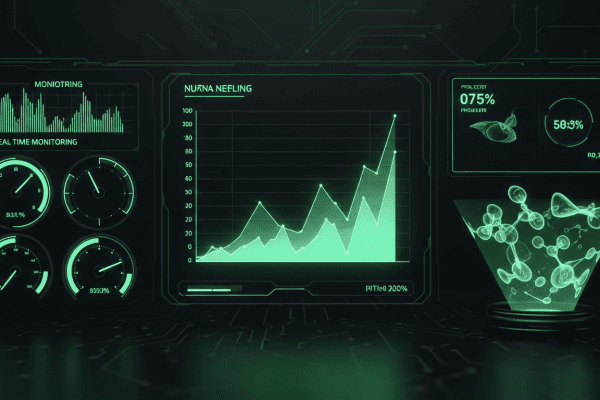
AI-Powered Recipe Management: From Manual Iteration to Intelligent Optimization
Key Takeaway Semiconductor process recipes — the precise parameter sequences that define how each wafer is manufactured — are among…

AI for Semiconductor Equipment Makers: A Go-to-Market Strategy Guide
Key Takeaway Semiconductor equipment makers who embed AI into their products can achieve 15-25% price premiums, 2-3x higher service attach…
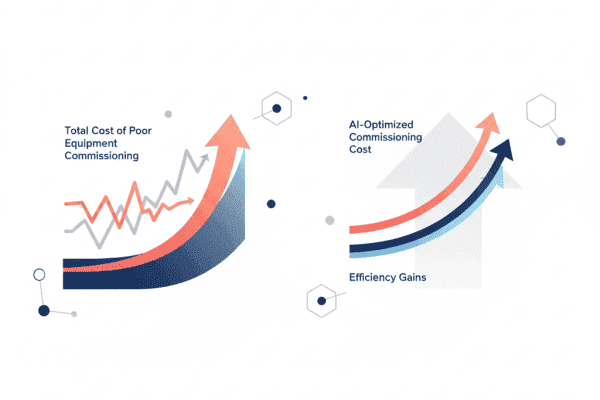
The Total Cost of Poor Equipment Commissioning — And How AI Fixes It
Key Takeaway Equipment commissioning consumes 200-500 test wafers per tool at $2,000-8,000 each, costing $400K-4M per installation and taking 4-8…
Smart DOE vs Traditional DOE: Why AI Experiments Need 80% Fewer Wafers
Key Takeaway Smart DOE replaces traditional full-factorial and fractional-factorial experimental designs with Bayesian optimization, reducing the wafers required for process…