Industrial Sourcing

BOM Consolidation, Custom Drawing Parts and Export Logistics for Semiconductor Equipment RFQs

MST の調達ページは RFQ-first の流れです。部品番号、図面、BOM 項目、数量、書類、物流条件を整理し、supplier fit、リードタイム、輸出条件を確認してから見積に進みます。

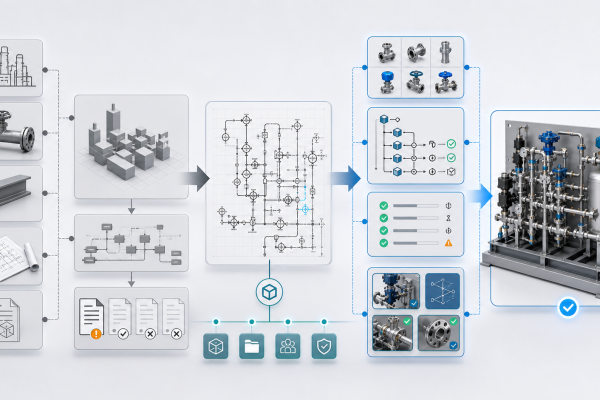
BOM Consolidation, Custom Drawing Parts and Export Logistics for Semiconductor Equipment RFQs visual

回答を先に

MST の調達ページは RFQ-first の流れです。部品番号、図面、BOM 項目、数量、書類、物流条件を整理し、supplier fit、リードタイム、輸出条件を確認してから見積に進みます。

  • MST にパートナー確認済みの次ステップを依頼する前に、このページで非機密の初回 brief を準備してください。
  • NDA とレビュー経路が確認されるまで、設計 IP、顧客 rulepack、管理対象ファイルを公開フォームに入れないでください。
  • 正確な範囲確認には、該当する MST ページから短い RFQ またはエンジニアリングレビュー依頼を送ってください。

元の記事タイトル: BOM Consolidation, Custom Drawing Parts and Export Logistics for Semiconductor Equipment RFQs

Key Takeaways
  • What engineers should clarify first
  • Separate exact, equivalent and custom lines
  • Export is part of the RFQ
  • Why this is the third website lane
  • How this connects to MST

Answer-first summary: A semiconductor equipment sourcing RFQ should connect BOM line items, drawings, quantity, material, finish, certificates, packaging and export/logistics constraints. This reduces quote ambiguity and helps the sourcing team route exact parts, equivalents and custom parts separately.

Procurement loses time when BOM lines, custom drawings and logistics requirements are scattered across emails. A structured RFQ makes sourcing faster because each line item can be classified correctly.

What engineers should clarify first

RFQ block Fields to include Typical failure when omitted
BOM Part number, description, qty, revision, approved alternates Wrong item or unapproved substitution
Drawing part Drawing, material, tolerance, finish, treatment, quantity Unquotable or non-comparable supplier responses
Documents COC, material certificate, inspection, packaging label needs Late compliance questions
Logistics Destination, Incoterm preference, urgency, export constraints Unexpected shipping delay or landed-cost surprise

Separate exact, equivalent and custom lines

Do not mix exact catalog parts with made-to-drawing parts in the same free-text request. Classify each line so the sourcing path is clear.

Export is part of the RFQ

For cross-border semiconductor equipment parts, the logistics path can affect both cost and feasibility. Destination and document needs should be included early.

Why this is the third website lane

Industrial sourcing closes the loop between design automation and procurement. The same system that identifies BOM context can route purchasing questions to the store RFQ.

How this connects to MST

Prepare a structured BOM RFQ with line classification, documents and logistics fields before asking for price. MST uses this article as an intake guide, not as a promise of partner access, compliance certification, fixed sample count, fixed pricing, or automatic production approval.

FAQ

Can one RFQ include catalog and custom parts?

Yes, but classify each line so exact, equivalent and drawing-to-order items are handled differently.

What documents should I request?

Depends on the part and customer requirements. Common examples include COC, material certificate, inspection report or packaging labels.

Where should the RFQ go?

Use the store RFQ for structured intake; use the official site content for education and qualification.

← Back to News

Start with a high-level brief

run の範囲を決めますか?

ノード、プロセスファミリ、die 面積、数量、時期を送ってください。設計 IP は不要です。MST がスクリーニングし、適格パートナーへつなぎ、参考見積を返します。