
Key Takeaway
Smart DOE uses Bayesian optimization and Latin hypercube sampling to reduce trial wafers by 80%. Instead of testing hundreds of parameter combinations, the AI predicts optimal parameters from 10-15 wafers, learning from each result to guide the next experiment. NeuroBox E5200 implements this as a turnkey solution deployable in 2-4 weeks.
One of NeuroBox E5200s most impactful features is Smart DOE (Design of Experiments) — an AI system that reduces the number of trial wafers needed during semiconductor equipment commissioning by 80%. Heres how it works.
The Problem
When commissioning new semiconductor equipment or qualifying new processes, engineers traditionally run hundreds of test wafers to find optimal parameters. Each wafer costs $50-500, and the process takes weeks. Its expensive, slow, and wasteful.
The AI Solution
Smart DOE uses machine learning to intelligently explore the parameter space. Instead of testing every possible combination (full factorial DOE), the AI identifies the most informative experiments to run — learning from each result to guide the next test.
The Algorithm
- Prior Knowledge: The AI starts with physics-based models and data from similar equipment
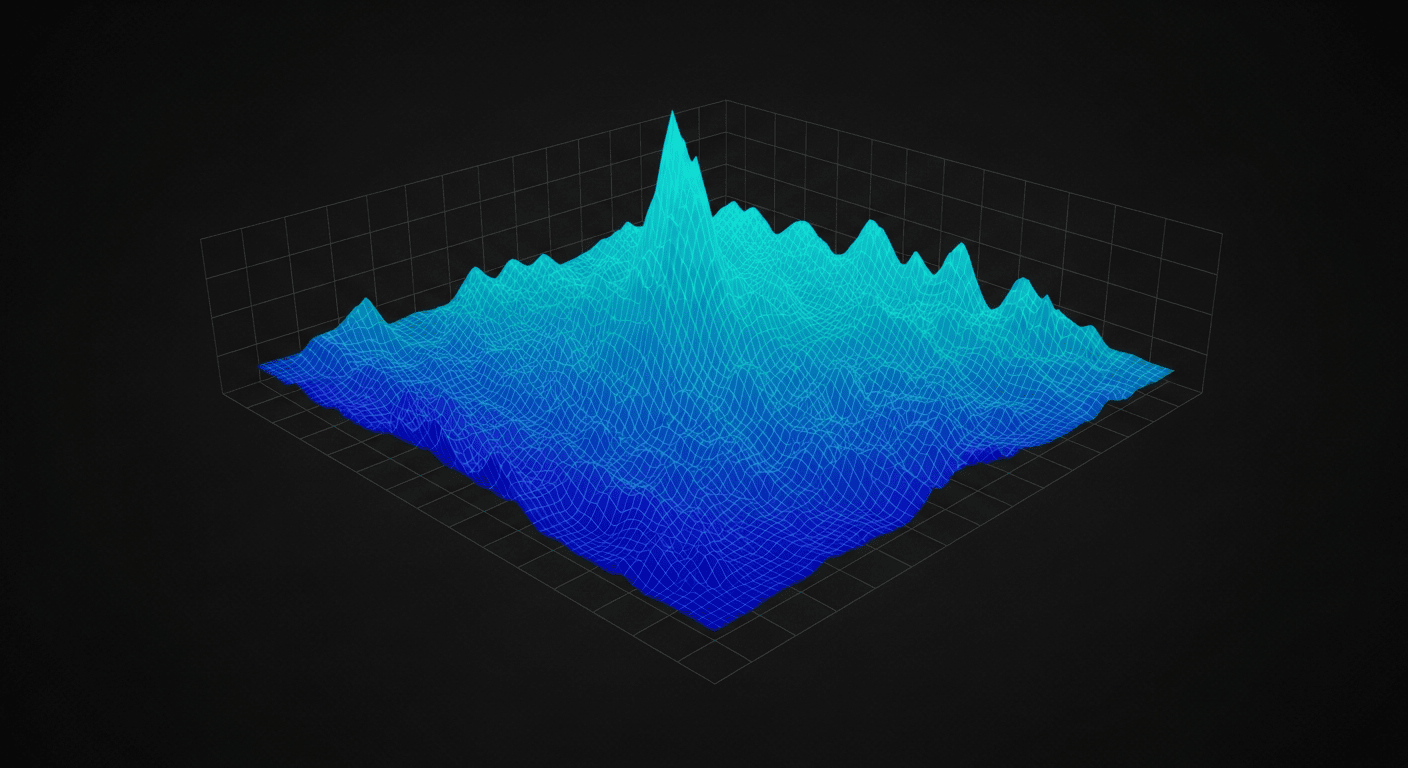
- Bayesian Optimization: Each experiment result updates the AIs understanding of the parameter landscape
- Active Learning: The AI selects the next experiment that will provide maximum information gain
- Convergence: Optimal parameters are found in 20% of the experiments a traditional DOE would require
Results in Production
- 80% fewer trial wafers consumed
- 60% faster time-to-production
- Comparable or better yield to traditional full DOE
- Knowledge transfer between similar equipment — each new commissioning gets faster
Reduce trial wafer consumption by 80% with AI-powered Smart DOE.